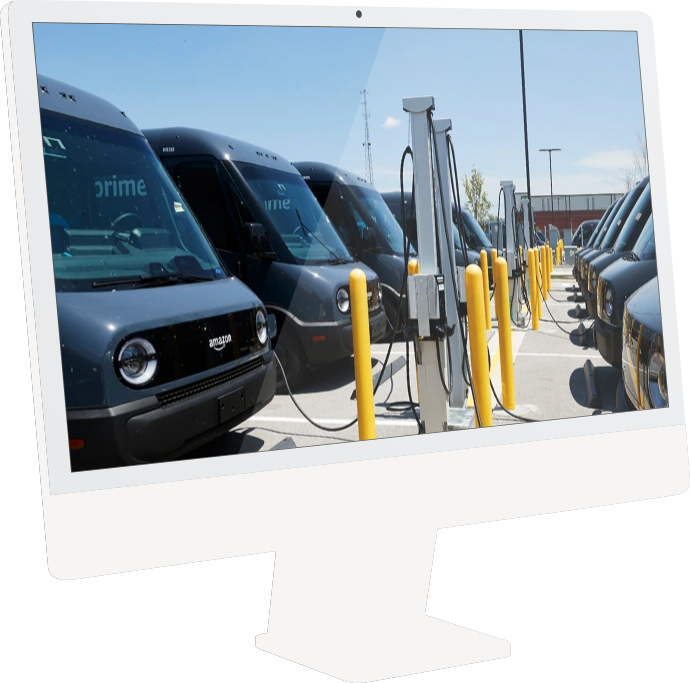
FLEET CHARGING SOLUTIONS
Charging infrastructure that grows with your fleet.
From delivery vans to larger logistics operations, source the chargers, pedestals, cable management, and accessories your project needs—with guidance from EV Charge Solutions.
Discuss Your Fleet Project with an ExpertPLAN FOR TODAY AND TOMORROW
The right charging setup starts with how your fleet operates.
Vehicle types, routes, dwell time, parking layout, and available power all shape equipment choices. We help you compare the products that fit your site and leave room for future growth.
A complete fleet charging equipment package
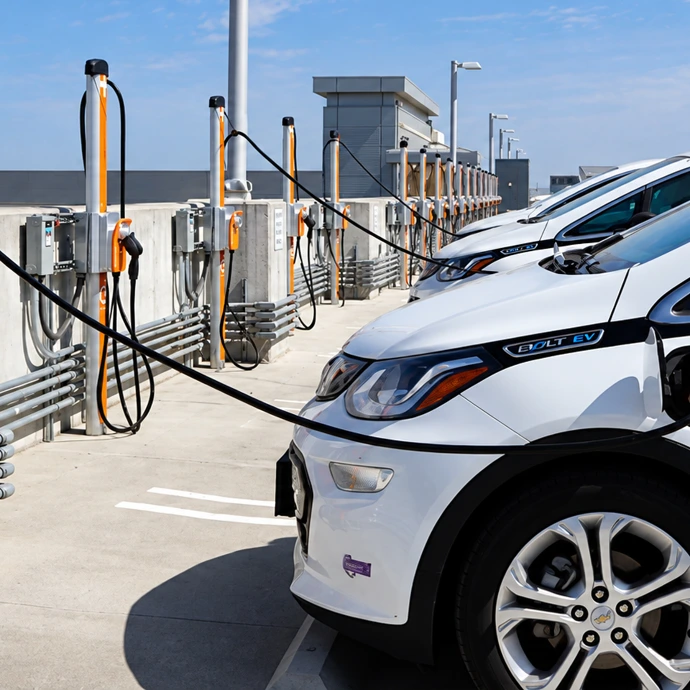
Level 2 Chargers
For EVs parked for longer periods, including overnight depot charging.
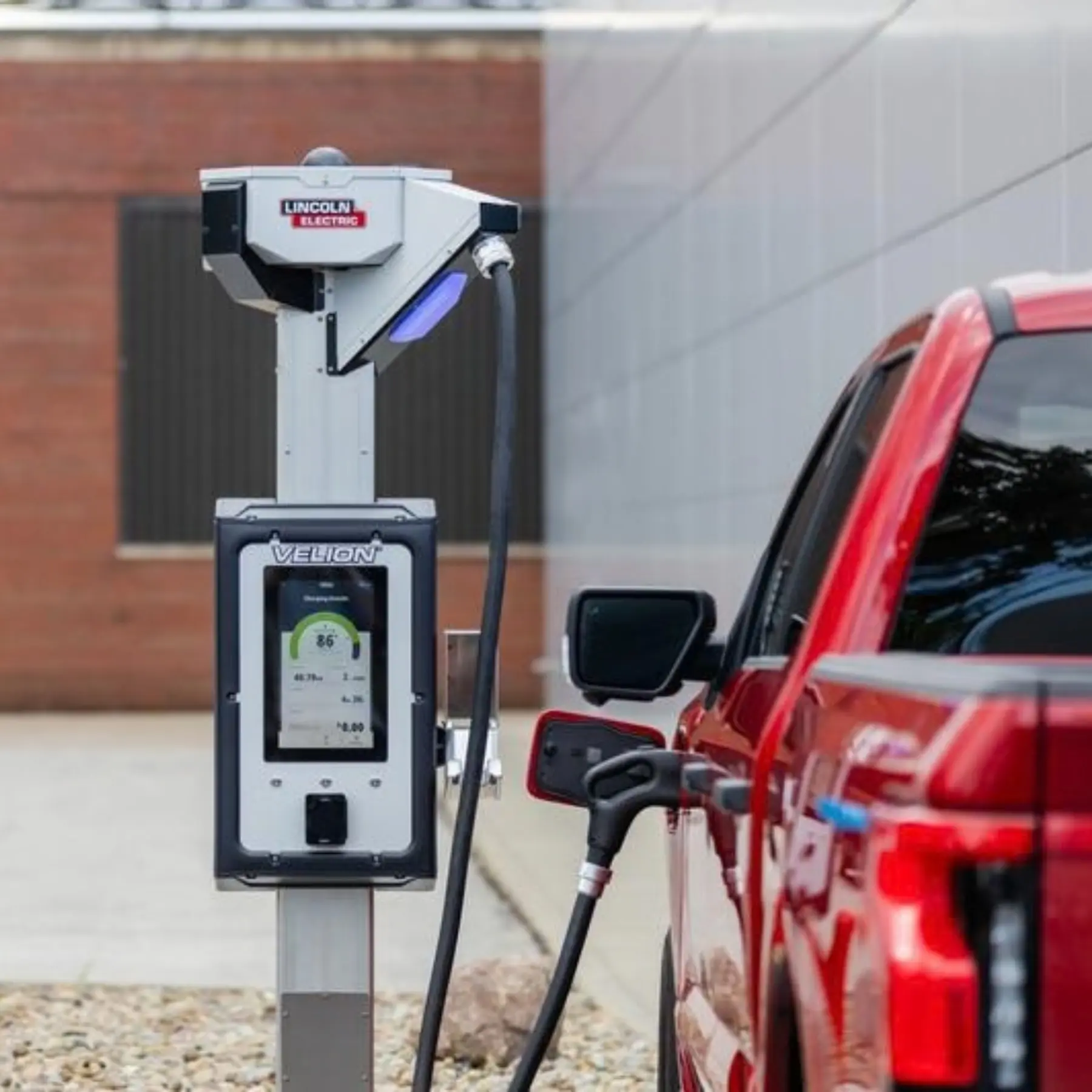
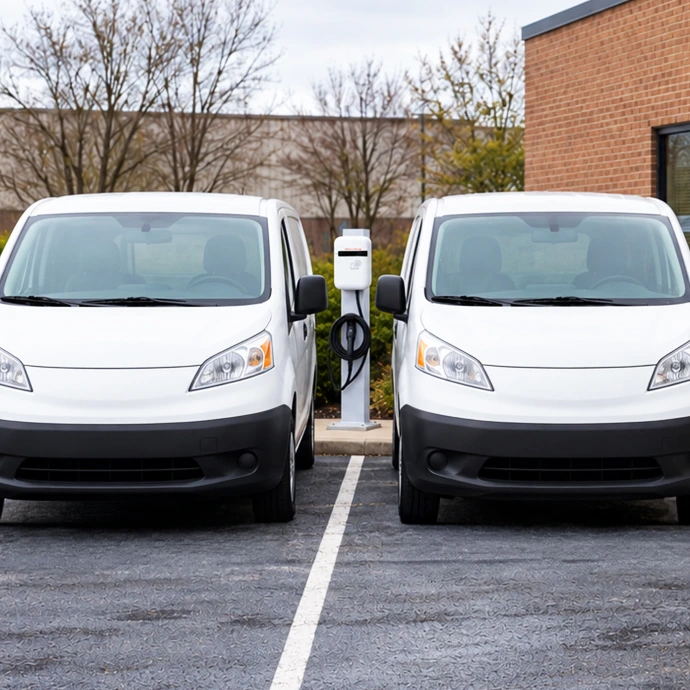
Pedestals & Mounts
Flexible placement for single and dual charger configurations.
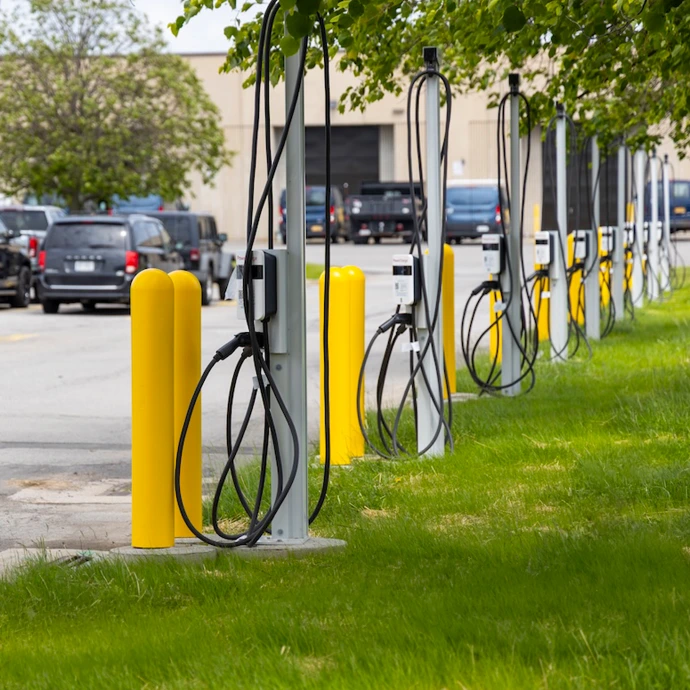
Cable Care & Protection
Retractors, hooks, guards, bollards, and installation accessories.
Built around your vehicles and schedules
Overnight depot charging
Plan charging around vehicles with longer, predictable parking windows.
Between-route turnaround
Compare DC options when vehicles need a quicker return to service.
Growing and mixed fleets
Consider parking, ports, connectors, and mounting needs as the fleet expands.
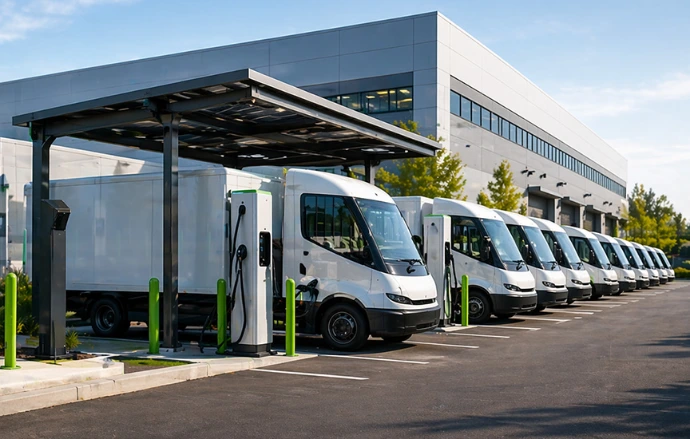
BEYOND THE CHARGER
Make every charging space work harder.
EV Charge Solutions manufactured pedestals and cable management products help create an organized charging site. Add mounting hardware, cable protection, and safety accessories suited to your fleet parking layout.
How we help
One conversation. A coordinated equipment plan.
Tell us about your fleet
Share vehicles, routes, parking conditions, sites, and timeline.
Compare product options
Review charging hardware and the equipment needed around it.
Get a project quote
Work with our team on product selection, availability, and next steps.
PLAN YOUR FLEET CHARGING
The right charging setup starts with the right questions.
How far do your vehicles travel each day? How long are they parked? Where will your fleet grow next? Your answers help shape a charging solution that fits your operation. Explore the FAQs below for guidance on equipment, electrical capacity, installation, and planning for future growth.
Frequently asked questions
Fleet charging questions, answered.
The right choice depends on your vehicles, daily mileage, and available charging time. Level 2 charging is often a practical option for vehicles parked overnight or between longer shifts. DC fast charging may be better suited for higher-mileage vehicles, larger batteries, or operations that require quicker turnaround. Some fleets benefit from a combination of both. Charging equipment should match each vehicle’s capabilities and deliver the energy needed before its next departure.
A fleet charging depot typically includes compatible EV chargers, electrical circuits and distribution equipment, and wall mounts or pedestals. Depending on the site, additional components may include cable management, protective bollards, signage, and networking or load management software. Electrical service or transformer upgrades may also be necessary. A site assessment with a qualified electrical contractor and your utility helps identify the equipment and infrastructure required for your operation.
Start with your current charging needs and a realistic plan for fleet growth. During the initial design, consider space for additional chargers, spare conduit, and future electrical capacity. Installing underground infrastructure during the first phase can help reduce disruption and construction costs later. Compatible load management technology may also help you accommodate more charging ports within available power limits, provided your vehicles can still receive the energy they need on schedule.
The right number depends on your fleet size, daily mileage, vehicle energy needs, and available charging time. Vehicles parked overnight may benefit from a dedicated port for each vehicle, while fleets with staggered schedules may be able to share chargers. Planning should also account for future growth and backup charging options. The goal is to ensure every vehicle receives the energy it needs before its next shift.
In some cases, yes. Your existing electrical service may have enough available capacity, especially when paired with managed charging technology. This technology distributes available power among chargers or schedules charging to help limit peak demand. A qualified electrical contractor, working with your utility, can assess your site and determine whether your fleet’s charging needs can be met within existing capacity or whether upgrades are necessary.
Installation timelines depend on the project’s size, site conditions, and electrical requirements. The process typically includes a site assessment, electrical design, permitting, equipment procurement, installation, and final testing. Projects using existing electrical capacity generally involve fewer steps than those requiring utility service or transformer upgrades. Involving your utility and electrical contractor early helps establish a realistic schedule and coordinate charger readiness with vehicle deliveries.
State, local, and utility programs may help offset the cost of fleet charging equipment, installation, or electrical infrastructure. Availability and eligibility vary by location, fleet type, equipment specifications, and program requirements. Review funding opportunities early in the planning process, before purchasing equipment or beginning construction, as some programs require advance approval. Confirm current requirements, application deadlines, and eligible expenses directly with the program administrator. For more information start here https://www.evchargesolutions.com/ev-charging-solutions-for-contractors
Power Your Fleet’s Transition with Scalable EV Charging Infrastructure
FEATURED SOLUTIONS
Explore fleet our charging equipment picks
LET'S PLAN YOUR PROJECT
Ready to build or expand your fleet charging site?
Tell us about your vehicles and location. We’ll help you identify charging equipment and supporting products for your project.