The EV charging industry is evolving, and one of the biggest changes happening across North America is the growing adoption of the North American Charging Standard (NACS), now standardized as SAE J3400.
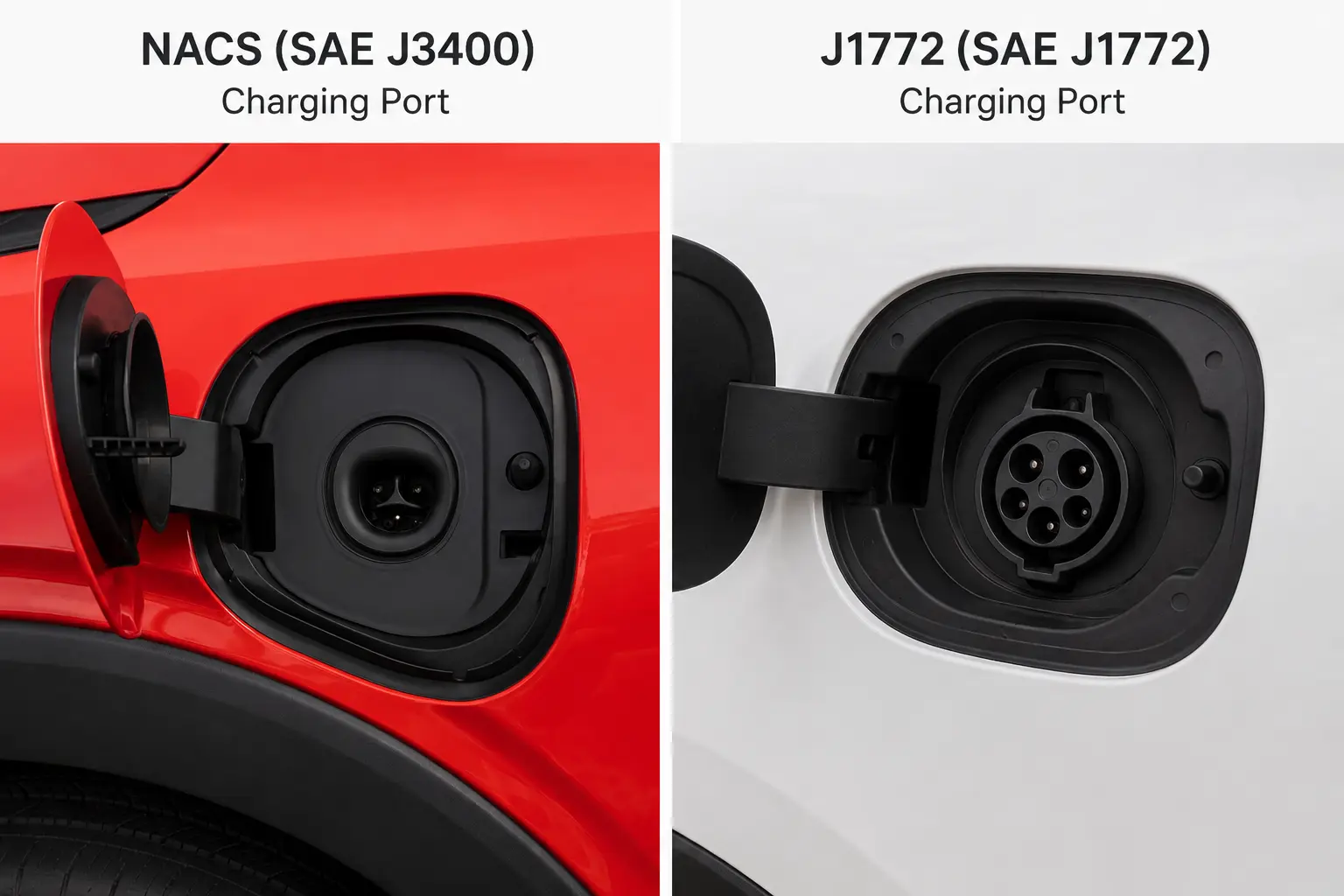
For years, J1772 has been the familiar connector for Level 1 and Level 2 EV charging in North America, while Tesla vehicles used the NACS connector. That landscape is changing.
Major automakers have announced plans to incorporate the NACS/J3400 connector into their vehicles, and charging equipment manufacturers are adapting to support the changing vehicle market. According to the Joint Office of Energy and Transportation, most vehicle manufacturers have committed to incorporating J3400 beginning with 2025-era vehicles.

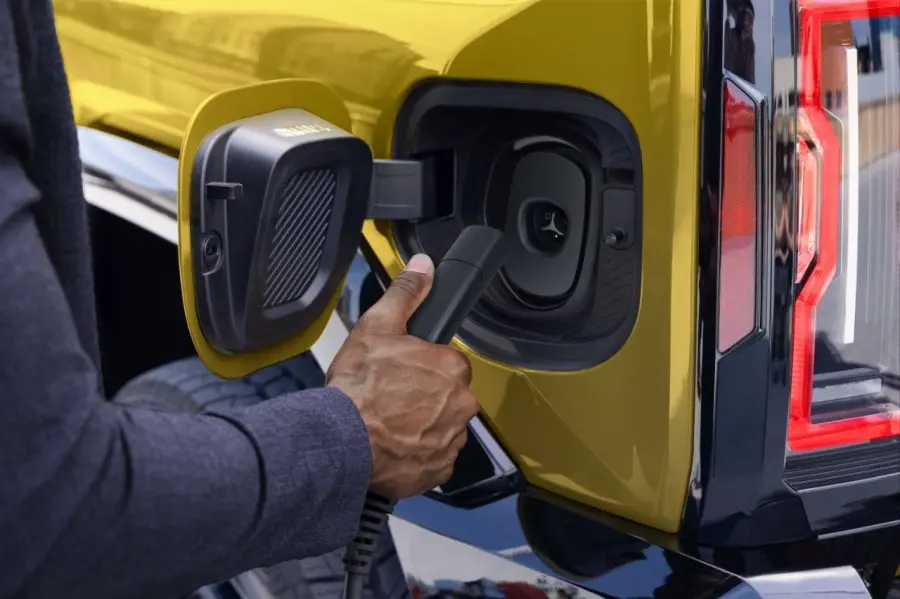
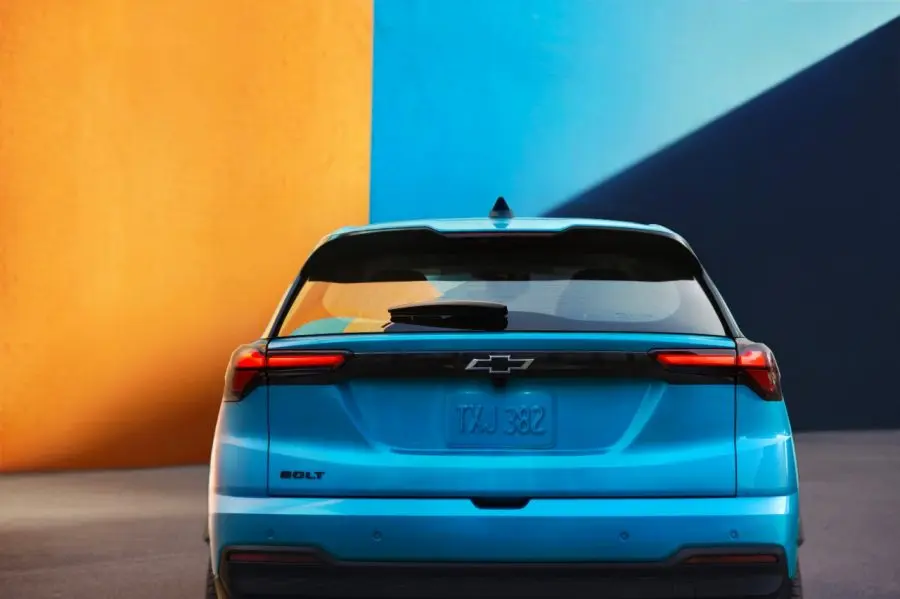
That transition is becoming increasingly visible in new vehicle lineups. In August 2026, General Motors reported that it expects all 2027 model-year EVs from Chevrolet, GMC and Cadillac to come standard with native NACS charging ports. This means those vehicles will be able to connect directly to compatible NACS charging equipment without an adapter. Most 2026 GM EVs, however, still use CCS ports and require an adapter for compatible NACS fast charging.
This shift illustrates an important change taking place across the EV market: NACS/J3400 is moving from an emerging connector standard to a factory-installed charging interface across a growing number of vehicles.
But what does this transition mean for the thousands of businesses, workplaces, multifamily properties, dealerships and other facilities that already have J1772 charging equipment installed?
The good news is that moving toward NACS/J3400 doesn't necessarily mean existing J1772 infrastructure suddenly becomes obsolete.
What Is NACS/J3400?
The North American Charging Standard (NACS) began as Tesla’s charging connector. As the EV industry evolved, Tesla opened the connector for broader use, allowing other automakers and charging equipment manufacturers to adopt it.
SAE International then standardized the connector as SAE J3400, creating an industry standard for EV charging across North America.
Simply put, NACS is the name most people recognize, while J3400 is the official SAE standard based on that connector. You’ll likely see both terms used as more vehicles and charging equipment adopt the standard.
Why Are Automakers Moving Toward NACS/J3400?
1. One Connector for Multiple Charging Levels
NACS/J3400 can support both AC charging, including Level 1 and Level 2, and DC fast charging in one compact connector design.
2. An Open Industry Standard
Now that NACS has been standardized as SAE J3400, automakers and charging equipment manufacturers have an established standard they can use across vehicles and charging equipment.
3. Greater Charging Network Access
Adoption of J3400 gives more EV drivers access to compatible NACS charging infrastructure, including portions of Tesla’s Supercharger network. As adoption grows, it could also mean fewer adapters and a more convenient charging experience for drivers.
Together, these benefits are helping drive broader adoption of J3400 across North America.
Does This Mean J1772 Chargers Are Obsolete?
No. The shift toward NACS/J3400 does not mean existing J1772 chargers suddenly need to be replaced.
Millions of EVs on the road still use J1772 or CCS1 connections, and adapters can help bridge the gap between different connector types.
For the foreseeable future, we’re likely to see a mix of J1772, CCS1 and NACS/J3400 vehicles and charging stations across North America.
For charging station owners, the bigger question is: How can you make sure your existing charging equipment continues to meet the needs of the EV drivers using your site?
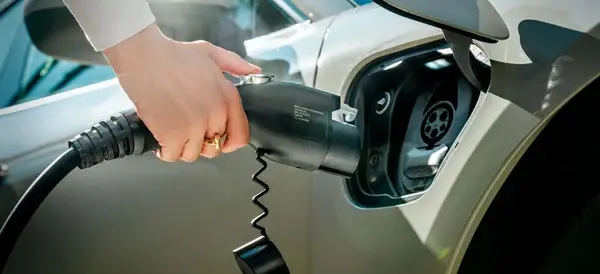
What Happens to Existing J1772 Charging Infrastructure?
As more J3400-equipped vehicles enter the market, existing J1772 charging sites have several options:
1. Use Adapters
Adapters can allow J3400-equipped vehicles to use compatible J1772 chargers, making this a simple option for some sites.
2. Support Both Connectors
Workplaces, multifamily properties, dealerships and public charging locations may choose to offer both J1772 and J3400 charging to serve a wider range of vehicles.
3. Upgrade or Convert Existing Equipment
Some charging stations may be able to support component upgrades or conversion solutions rather than requiring full replacement.
The best approach depends on your existing equipment, who uses your chargers and your long-term charging needs.
When Does Converting From J1772 to NACS Make Sense?
There isn't one answer for every charging location.
Instead, site owners should consider who uses their chargers today and who is likely to use them in the future.
For a commercial property, that could mean evaluating the types of EVs customers and employees are driving.
For a multifamily property, it could mean making charging convenient for residents purchasing newer EV models.
For a dealership, it could mean preparing charging infrastructure for a changing inventory of vehicles.
For a fleet, it could mean evaluating the connector types used by current vehicles compared with vehicles scheduled for future procurement.
And for an EV charging contractor, it may mean helping customers determine whether their existing charging infrastructure can be adapted rather than automatically recommending complete replacement.
Before converting any charging equipment, however, it's important to verify charger compatibility, electrical requirements and manufacturer specifications. Not every charger can or should be converted in the same way.
Do You Need to Replace the Entire EV Charger?
Not necessarily.
If an existing charger is older, unsupported or no longer meets your needs, replacement may make sense. But if the charger is still working properly, a full replacement may not be required simply because connector standards are changing.
For compatible equipment, conversion or upgrade options may allow you to adapt existing J1772 charging infrastructure for NACS/J3400 vehicles without replacing the entire charger.
Ultimately, the transition is about compatibility, not simply replacement. Exploring your options can help extend the life of your existing charging equipment while preparing for the changing EV market.
Preparing Your EV Charging Infrastructure for NACS/J3400
The move toward NACS/J3400 represents an important shift in North American EV charging, but the transition won't happen overnight.
J1772 charging equipment will continue to serve vehicles already on the road, while more new vehicles and charging products adopt J3400. During this transition, charging locations will need to determine the right balance of compatibility, convenience and cost.
The best solution may be different for every site.
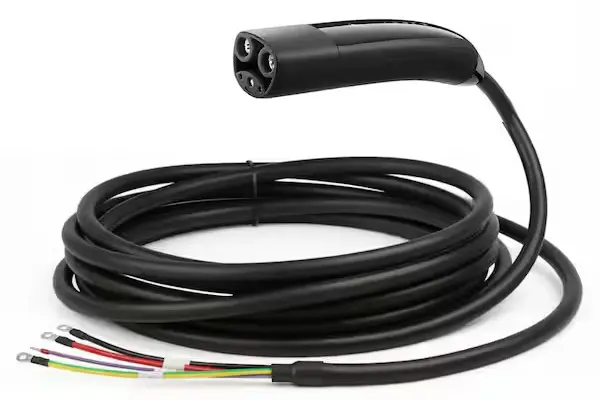
Looking to Convert Existing Charging Equipment?
As NACS/J3400 adoption grows, you may not need to replace your entire charging setup to accommodate newer EVs.
EV Charge Solutions offers a NACS Holster Conversion Kit designed to provide a simple conversion option for compatible EV charging applications.
Explore the NACS Holster Conversion Kit
Before making any changes, always confirm that your existing charger supports the conversion or replacement components you plan to use. Check your equipment manufacturer’s requirements or consult with a qualified EV charging installer to verify compatibility.
Rather than automatically replacing existing charging infrastructure, explore whether an upgrade or conversion solution can help prepare your charging setup for the growing adoption of NACS/J3400.