
If you are new to electric vehicle charging, terms like Level 1, Level 2, AC charging and DC fast charging can make choosing an EV charger seem more complicated than it needs to be.
The basic difference is simple: Level 1 and Level 2 chargers supply AC power, which the vehicle converts to DC, while DC fast chargers deliver DC power directly to the vehicle’s battery.
Each type of EV charging has its place. The right choice depends on where the charger will be installed, how quickly vehicles need to charge and how long they will typically remain parked.
What Are AC and DC Power?
Electricity supplied by the power grid is alternating current (AC), while an electric vehicle’s battery requires direct current (DC) to charge. That means AC electricity must be converted to DC before it can charge the battery.
The biggest difference between AC and DC EV charging is where that conversion happens.
With Level 1 and Level 2 AC charging, AC electricity is sent to the vehicle. The EV’s onboard charger converts that electricity to DC to charge the battery.
With DC fast charging, the charging station converts AC electricity into DC power before delivering it to the vehicle’s battery. This bypasses the vehicle’s onboard AC charger and allows higher charging power, potentially reducing charging time.
In simple terms:
AC charging: Grid → Charger → Vehicle converts AC to DC → Battery
DC fast charging: Grid → Charger converts AC to DC → Battery
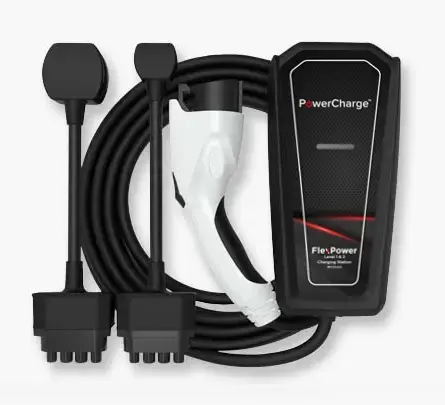
What Is Level 1 EV Charging?
Level 1 charging is the most basic form of EV charging. It typically uses a standard 120-volt household outlet and a compatible Level 1 charging cord, making it an accessible option for residential charging.
The tradeoff is speed. Level 1 provides relatively slow charging, and fully replenishing a large EV battery can take more than a day. Charging time depends on the vehicle, battery size, starting charge level and equipment output.
Level 1 charging can make sense for drivers who travel relatively few miles each day, plug-in hybrid vehicles or situations where vehicles can remain plugged in for extended periods.
What Is Level 2 EV Charging?
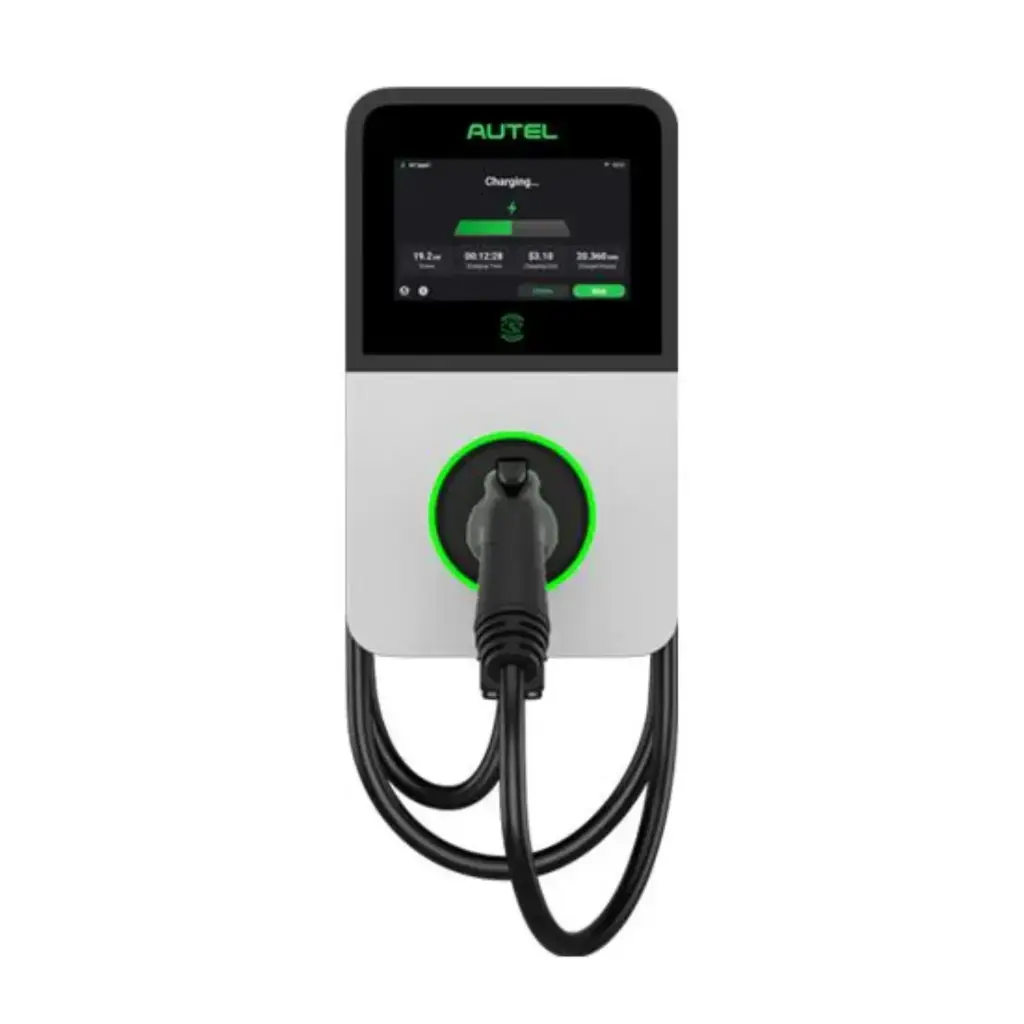
Level 2 charging is considerably faster than Level 1 and is a common choice for both residential and commercial EV charging.
Level 2 charging typically uses a 240-volt electrical supply in residential applications and 208-volt or 240-volt service at commercial properties.
Level 2 chargers are a good fit anywhere vehicles will remain parked long enough to charge, including:
- Homes and residential properties
- Workplaces
- Multifamily housing
- Hotels
- Retail locations
- Parking garages and public parking
- Schools and universities
- Municipal properties
- Fleet facilities
Charging speed should match how a property is used. At workplaces, multifamily properties and other locations where vehicles remain parked for several hours, Level 2 charging can provide a practical balance of charging speed, equipment cost and electrical requirements.
What Is DC Fast Charging?
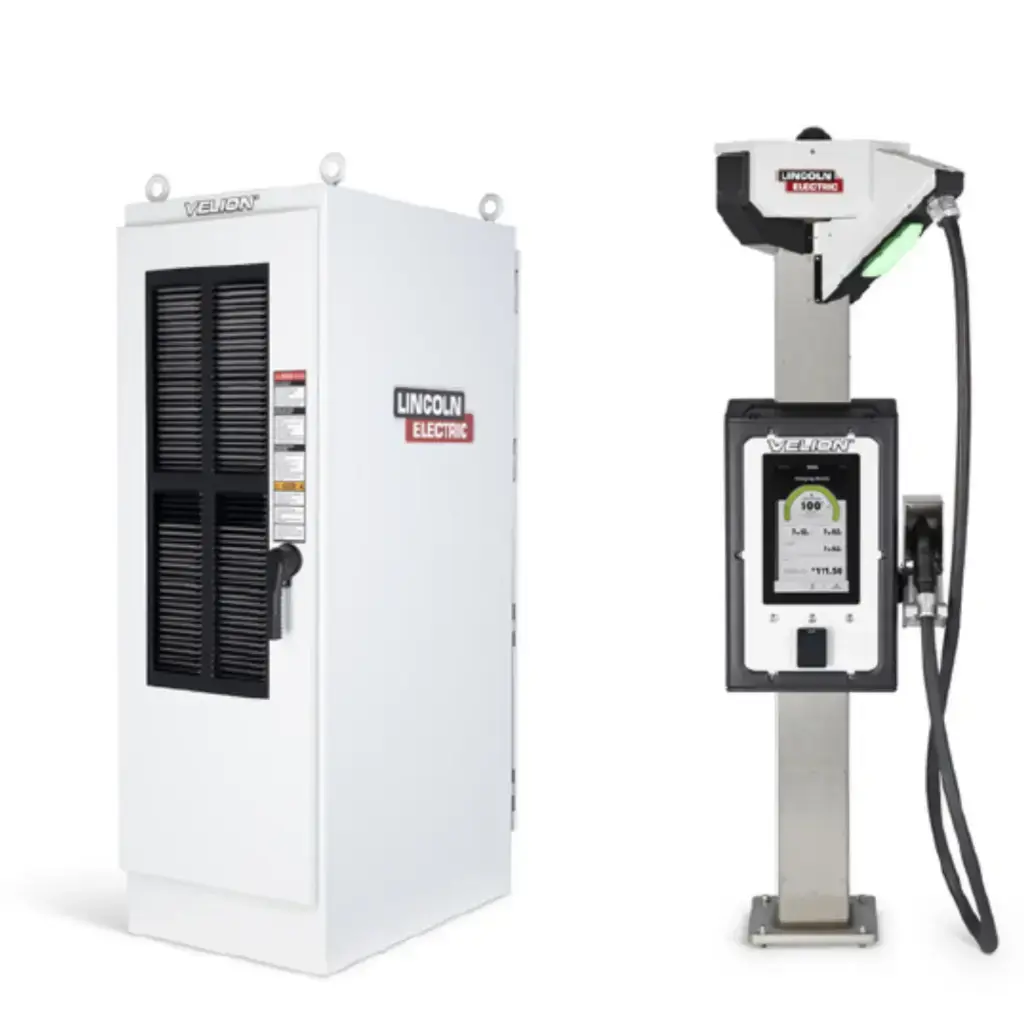
DC fast charging, sometimes referred to as DCFC, is designed for situations where charging speed is a priority.
Because the charger converts AC power into DC before delivering it to the vehicle, it can provide substantially higher charging power than Level 1 or Level 2 equipment.
DC fast chargers are commonly found at locations such as highway charging stations, travel centers, convenience stores, public charging hubs and fleet facilities where vehicles need to charge and return to the road quickly.
They can also support commercial fleets, buses and other vehicles with larger batteries or demanding operating schedules.
Level 1 vs. Level 2 vs. DC Fast Charging
| Level 1 | Level 2 | DC Fast Charging | |
| Power Type | AC | AC | DC |
| Typical Use | Residential | Residential & Commercial | Commercial & Fleet |
| Charging Speed | Slowest | Faster | Fastest |
| Common Locations | Homes | Homes, workplaces, multifamily, retail, parking & fleets | Highways, travel centers, public charging & fleets |
| AC-to-DC Conversion | Inside vehicle | Inside vehicle | Inside charging station |
| Best For | Overnight/light daily driving | Vehicles parked for longer periods | Rapid charging and high-use applications |
Does a Higher-Powered Charger Always Mean Faster Charging? Not necessarily.
An EV can only accept power at the rate its charging system and battery allow. Connecting a vehicle to a higher-powered charger does not automatically mean it will charge at the station’s maximum output.
For AC charging, charging speed can be limited by the vehicle’s onboard charger.
For DC fast charging, factors such as the station’s output, the vehicle’s charging capability, battery temperature and current state of charge affect charging speed.
Which Type of EV Charger Do You Need?
The right choice depends on how the charging station will be used.
If vehicles will remain parked for several hours, such as at a workplace, apartment building, hotel or overnight fleet depot, Level 2 EV charging may provide the right balance of charging speed, equipment cost and electrical requirements.
If vehicles need to charge quickly and return to the road, such as at a highway charging location, public fast-charging station or busy fleet facility, DC fast charging may be a better fit.
Some properties can benefit from both Level 2 and DC fast charging. A commercial site, for example, could provide DC fast charging for visitors who need a quick charge and Level 2 charging for employees or fleet vehicles that remain parked longer.
Find the Right EV Charging Equipment for Your Project
Whether you're planning a residential installation, commercial charging site, multifamily property, fleet depot or public EV charging project, EV Charge Solutions can help you source the equipment you need.
Explore our selection of Level 1, Level 2 and DC fast EV chargers, along with the equipment needed to complete your installation, including EV charger pedestals, cable management solutions, mounting equipment, replacement charging cables and protective accessories.
Not sure which charging equipment is right for your application? Contact the EV Charge Solutions team for product recommendations, pricing and project support.