The transition to electric vehicles is accelerating across industries. From municipalities and school districts to delivery companies and service fleets, organizations are increasingly exploring EV adoption to reduce operating costs, meet sustainability goals, and prepare for the future of transportation.
Fleet Electrification Is Already Happening at Scale
If you're wondering whether electric fleets are still an emerging trend, consider what Amazon has accomplished over the past few years.
Amazon now operates more than 50,000 electric delivery vans globally and has reached the halfway point toward its goal of deploying 100,000 electric delivery vehicles by 2030. The company delivered more than 2.4 billion packages using electric vehicles in 2025 alone.
To support this transition, Amazon has invested heavily in charging infrastructure, installing tens of thousands of EV charging stations across its delivery network. Reports indicate the company has deployed more than 17,000 chargers at delivery centers and is considered one of the world's largest private charging network operators.
While most organizations won't be deploying thousands of electric vehicles, Amazon's experience highlights an important lesson: fleet electrification isn't just about purchasing EVs—it's about planning the charging infrastructure that keeps those vehicles operating efficiently every day.
Fleet Electrification by the Numbers
electric delivery vans operated by Amazon worldwide
packages were delivered using electric vehicles in 2025
charging stations deployed across Amazon facilities
EV delivery vehicles targeted by 2030
Whether your fleet consists of 5 vehicles or 500, the same principle applies. A successful transition begins with understanding your operational needs, charging requirements, and long-term growth plans.
Many organizations begin their EV journey by evaluating vehicles. However, experienced fleet operators know that infrastructure planning often determines the success of the project.
Before investing in vehicles or charging equipment, consider these seven questions.
1. Which Vehicles Are the Best Candidates for Electrification?
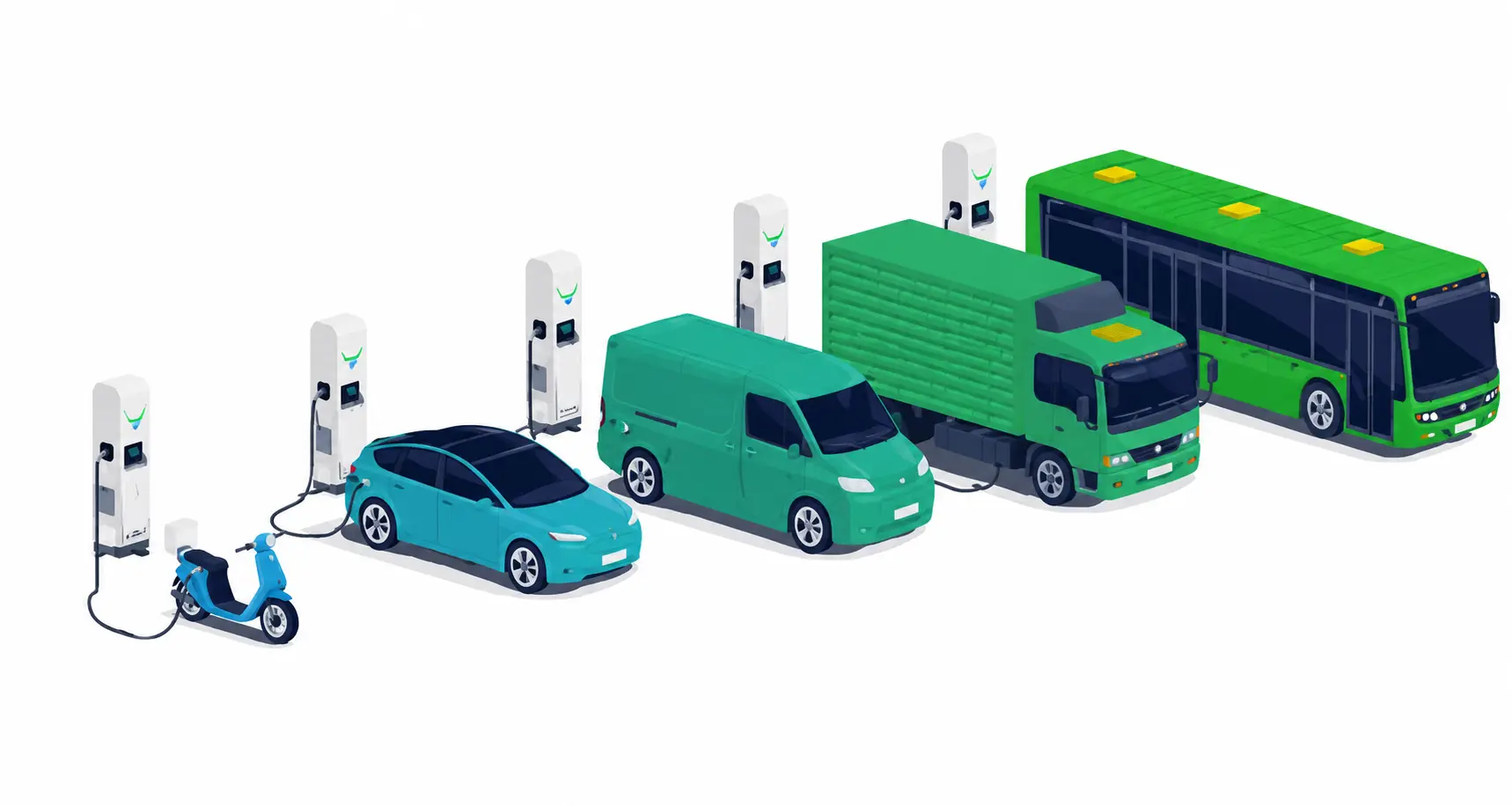
Not every vehicle in your fleet needs to be replaced at once. In many cases, organizations begin by identifying vehicles with predictable daily routes and consistent mileage.
Ideal candidates often include:
- Service vehicles
- Municipal fleets
- Delivery vans
- Campus transportation vehicles
- Parking enforcement vehicles
Reviewing daily mileage, downtime, and route requirements can help determine which vehicles are best suited for electrification.
2. Where Will Your Vehicles Charge?
One of the biggest lessons from large-scale fleet deployments is that charging strategy matters just as much as vehicle selection.
A successful fleet electrification project starts with a charging plan.
Consider:
- Will vehicles charge overnight?
- Will they charge during business hours?
- How many vehicles need to charge simultaneously?
- Will public charging be required?
Understanding charging habits and operational requirements will help determine the type and quantity of charging equipment needed.
3. Does Your Facility Have the Electrical Capacity?
One of the most overlooked aspects of fleet electrification is the facility's electrical infrastructure.
Before installing charging stations, evaluate:
- Existing electrical service capacity
- Available panel space
- Utility requirements
- Potential transformer upgrades
- Future expansion plans
In some cases, infrastructure upgrades may be required before charging equipment can be installed.
4. What Type of EV Charging Equipment Is Needed?
Not every EV fleet requires DC Fast Charging.
For many organizations, Level 2 charging provides more than enough power to keep vehicles operational between shifts.
Level 2 Charging Is Often Ideal For:
- Municipal fleets
- Corporate fleets
- Employee vehicles
- School districts
- Service fleets
DC Fast Charging May Be Better For:
- Transit operations
- Delivery fleets
- High-utilization vehicles
- Multi-shift operations
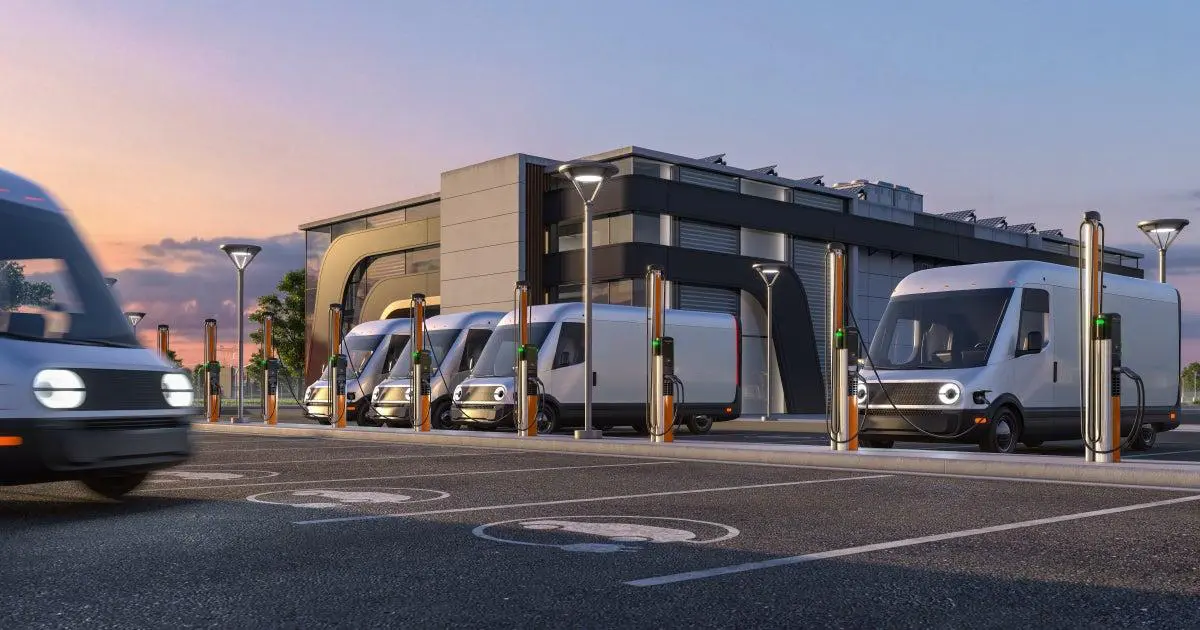
Beyond the chargers themselves, fleet operators should also consider mounting solutions, pedestals, cable management systems, and site protection equipment that improve reliability, safety, and ease of use for drivers. Proper site design can improve driver experience, reduce maintenance issues, and help maximize the lifespan of the fleet charging infrastructure .
5. Have You Explored Available Funding Opportunities?
Funding programs continue to play a major role in fleet electrification projects.
Depending on your location, your project may qualify for:
- Utility rebates
- State incentive programs
- Fleet electrification grants
- Clean transportation funding
- Public infrastructure programs
Many utilities, state agencies, and federal programs continue to support fleet electrification through grants, rebates, and infrastructure incentives. Taking advantage of these programs can significantly reduce project costs and accelerate return on investment. Because incentive programs can change throughout the year, it's important to identify funding opportunities early in the planning process.
6. Is Your Site Ready for Future Growth?
Fleet electrification is rarely a one-time project.
As EV adoption continues to grow, many organizations find themselves expanding charging capacity sooner than expected.
Ask yourself:
- Will additional EVs be added in the future?
- Is there room for more charging stations?
- Can conduit and infrastructure be installed now to support future expansion?
- Will charging demand increase over the next five years?
Planning for growth today can save significant costs down the road.
7. Do You Have the Right Partners in Place?
Fleet charging infrastructure projects often involve multiple stakeholders, including:
- Fleet managers
- Electrical contractors
- Engineers
- Utility providers
- Charging equipment suppliers
Working with experienced partners can simplify planning, equipment selection, and deployment while helping ensure a successful project outcome.
Amazon's success demonstrates that fleet electrification is no longer a future concept—it's already reshaping transportation across the country.
Organizations that begin planning today will be better positioned to reduce operating costs, improve sustainability, and build the infrastructure needed to support the next generation of fleet operations.
Preparing Your Fleet for the Future
Electrifying a fleet involves much more than purchasing electric vehicles. Charging infrastructure, electrical capacity, funding opportunities, and long-term planning all play a critical role in project success.
Whether you're evaluating your first electric vehicles or planning a large-scale deployment, taking the time to answer these questions can help build a reliable and scalable charging strategy.
At EV Charge Solutions, we help organizations identify the charging equipment, mounting solutions, cable management products, pedestals, and accessories needed to support fleet electrification projects of all sizes.
Ready to Start Planning?
Contact EV Charge Solutions today to discuss charging infrastructure solutions for your fleet and learn how we can help support your transition to electric transportation.
This article was written by the EV Charge Solutions Team. EV Charge Solutions is a leading distributor of EV charging equipment, accessories, pedestals, cable management solutions, and infrastructure products serving commercial, fleet, workplace, and public charging projects throughout North America.